

WELCOME TO THE HOME OF SCIENCE AND HISTORY
Hours
Tuesday - Saturday | 10 AM - 5 PM
Sunday | Noon - 5 PM
Monday | Closed

Mexican Roots
May 4 - August 18, 2024
Celebrate the vibrant world of masks and relief prints that capture the essence of Mexican history, people, culture, and religion. The engaging showcase delves into the common threads that weave through the diverse landscape of traditional Mexican artwork, making it an experience for all ages.
"Mexican Roots" is supported by the Fund to Advance Racial Equity at North Texas Community Foundation and Principal.

Cinco in the Cultural District
May 5 | 12 PM - 5 PM
¡Únase a nosotros para el Festival 5 de Mayo en el Distrito Cultural de Fort Worth! Celebre el arte y la cultura mexicano-estadounidense con camiones de comida, música en vivo + entretenimiento, vendedores + rifas y diversión familiar. Organizado por el Fort Worth Museum of Science and History, el National Cowgirl Museum and Hall of Fame y Arts Fort Worth, disfrute de entrada gratuita a tres nuevas exhibiciones. ¡No te pierdas una exhibición especial de Lowrider Auto y mucho más!
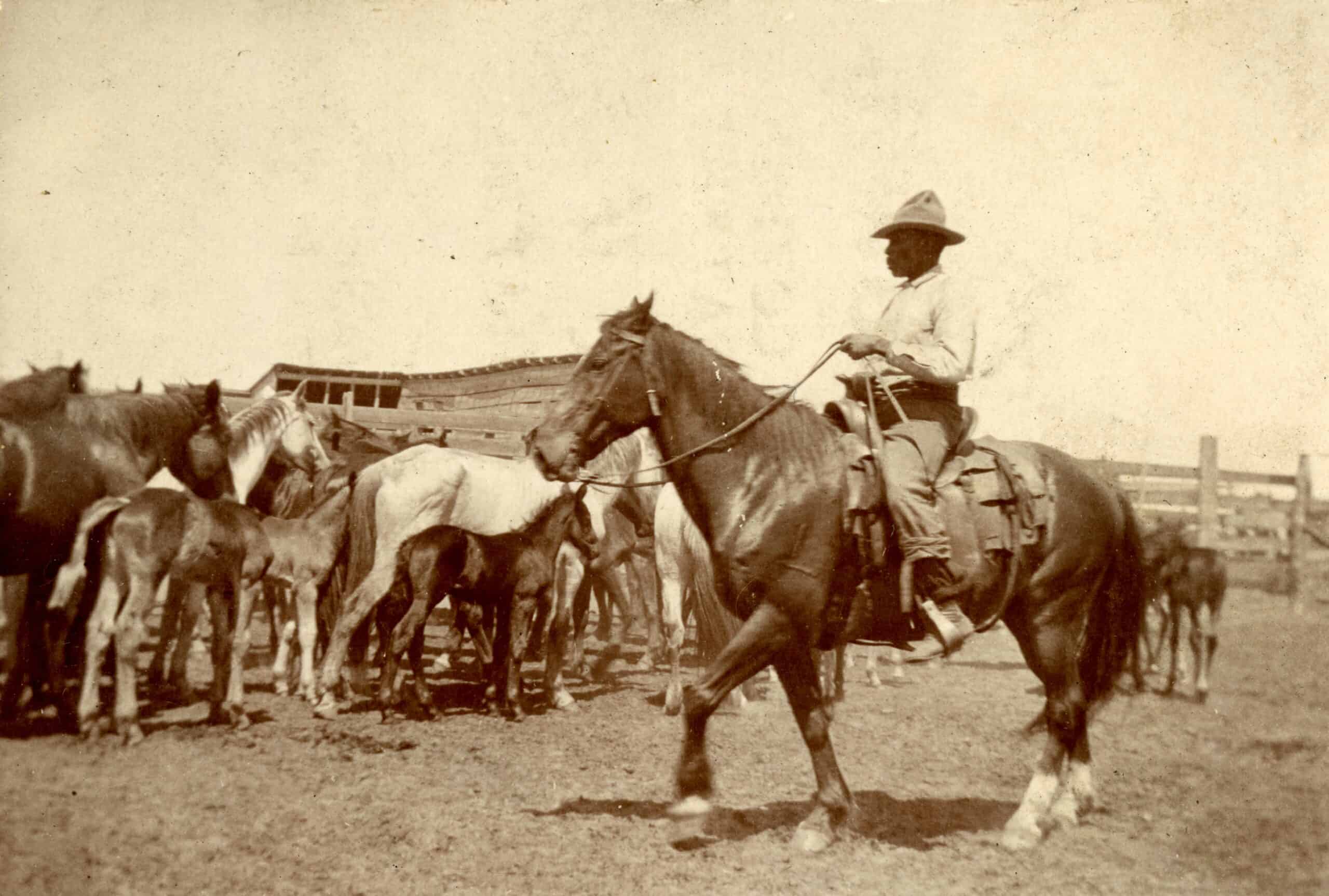
Black Cowboys: An American Story
January 20, 2024 - April 13, 2024
"Black Cowboys: An American Story" transports you through time to meet a variety of real Black cowboys and appreciate their deep impact on American History. Discover how they tamed and trained horses, tended livestock and rode on the trail with thousands of cattle across America!
"Black Cowboys: An American Story" is included in general admission or museum membership.
"Black Cowboys: An American Story" is organized by the Witte Museum in San Antonio, Texas and generously supported by Bank of America, the Ed Rachal Foundation, John L. Santikos Charitable Fund of the San Antonio Area Foundation and H-E-B. At the Fort Worth Museum of Science and History, "Black Cowboys: An American Story" is supported by the Fund to Advance Racial Equity at North Texas Community Foundation and Principal.
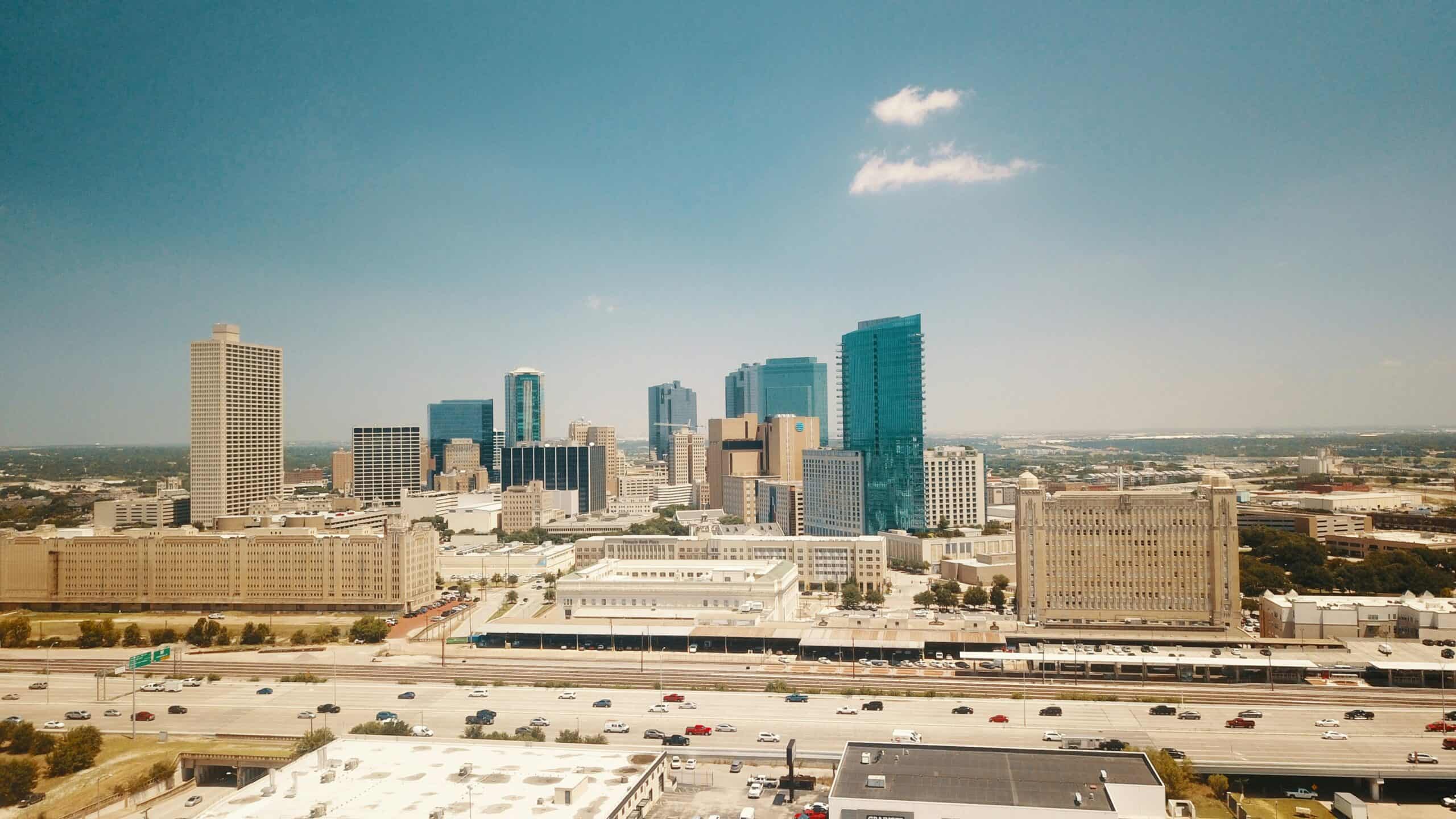
Lights Out, Texas!
Spring Migration Period: March 1st – June 15th
Peak Migration Period: April 19th – May 7th
Protect migratory birds this spring by turning LIGHTS OUT across Texas! You can take action by turning out all non-essential lights outside and inside every night.
Going lights out is particularly important during Peak Migration, when half of the total migratory bird traffic for the season passes through Texas. Take action and spread this message far and wide to protect the approximately two billion birds that will travel through the Lone Star State this spring.
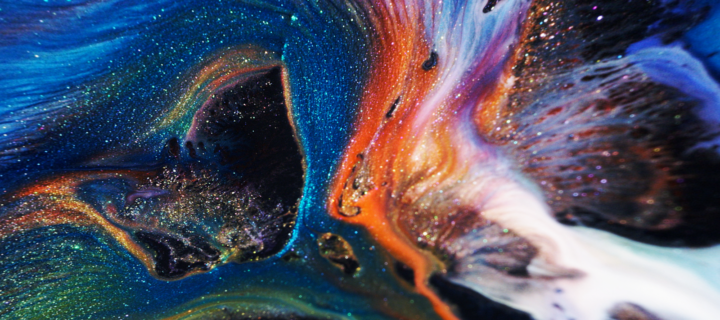
James Hood's Beautifica
From the creators of the multi award-winning MESMERICA comes a brand-new epic immersive experience unlike any other. Beautifica is a 360 journey through worlds real and imagined, from mindblowing particle fields to unashamedly euphoric fantastic environments almost impossible to describe.
Beautifica is suitable for all ages, 6+. Family and group discounts available. Your Beautifica tickets permit you entry to the Noble Planetarium for the performance time you have booked, but does not grant entry to the museum.